The Maui ocean view
Livestream · Honokōwai

Honokōwai, Hawaiʻi · Where the ocean has a story to tell.
Meet our camera hosts: Maui Sands · Honokōwai and Napili Shores Resort Unit A102 · Napili Bay. Maui Sands ↓ · Napili host ↓
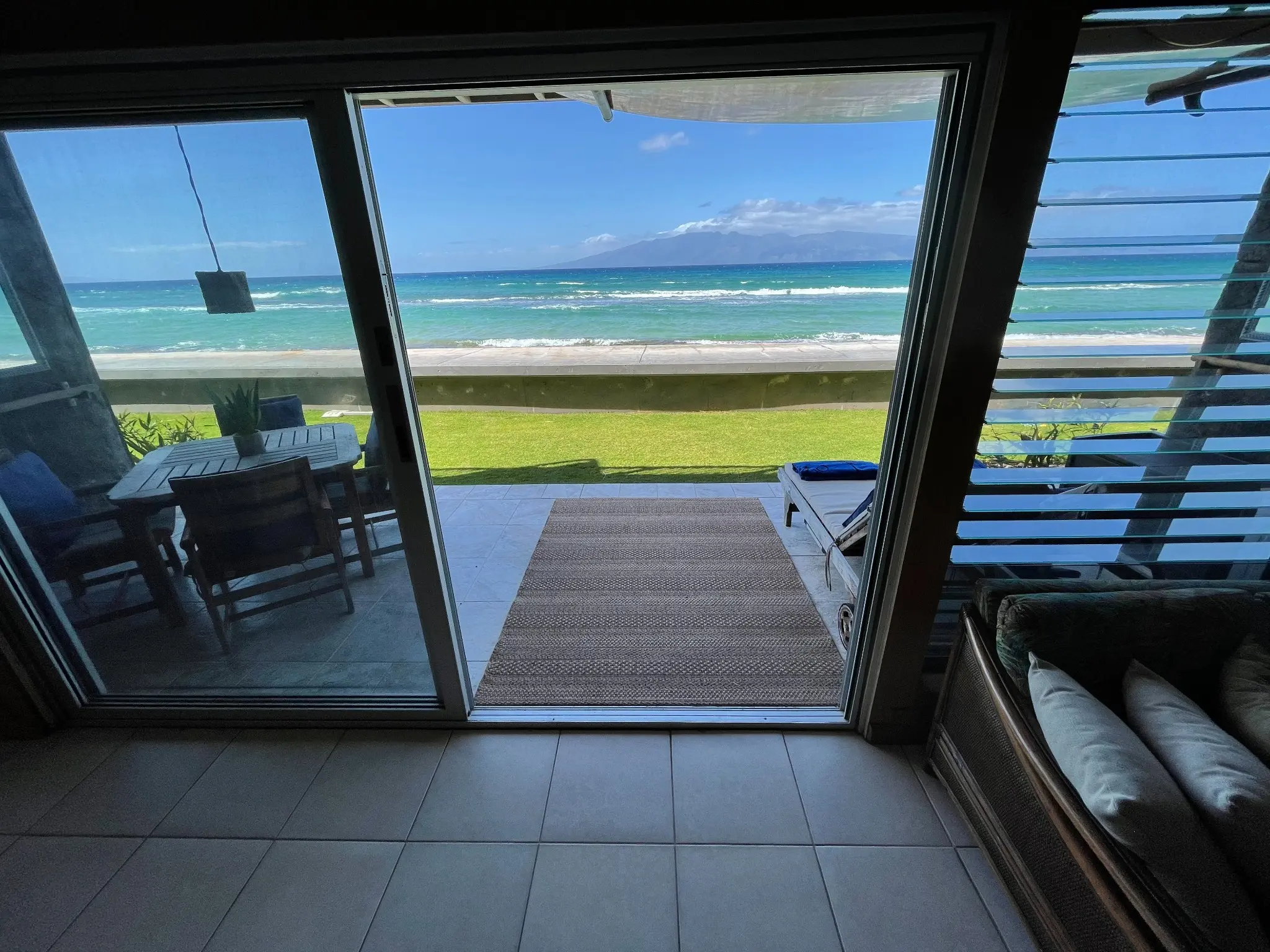
This ocean view comes to you with the help of our local camera host, Maui Sands. From changing skies to winter whale season, it’s a little window into daily life on the Pacific.
Imagine waking up here. Unit 4B is a ground-floor, two-bedroom oceanfront condo with a private lanai facing the water. Explore the accommodation, browse photos, and plan a stay through the host’s own website.
Explore Maui Sands ↗
The Napili camera shares the view from the ground-floor lanai of Unit A102 at Napili Shores Resort. Thank you to our local host for helping bring this window onto Napili Bay to the afarTV community.
Experience the view in person: the livestream description introduces A102 as a remodeled, oceanfront studio condo near the Gazebo Restaurant. Explore the accommodation and booking details through the host’s website.
Discover Napili Shores A102 ↗Local conservation: the Napili livestream also recognizes the Napili Bay Foundation’s efforts to protect and monitor the beach.
Credit: afarTV Napili Bay livestream description ↗. Visit the host’s website for current accommodation details and availability.
Watch here, without leaving the island.
Livestream · Honokōwai
Whale songs · Jupiter Foundation · 2017
Curated highlights · editorial collection coming soon
Verified, dated clips will appear here after the afarTV highlight library is connected. No unverified sightings are published.
Whale Trust supports scientific research and education about whales and their marine environment. Your time here can become something bigger: support for the people working to understand them.
Get to know Whale Trust ↗Open our fundraising livestream to see the campaign total and give using YouTube’s Donate button.
Donate through our livestream ↗Your YouTube Giving donation supports Whale Trust.
100% goes to Whale Trust through YouTube Giving. afarTV and YouTube take zero; YouTube pays transaction fees, including credit-card fees.
The ocean off West Maui is part of a place shaped by volcanoes, Hawaiian history, maritime trade and changing relationships with marine life. Its shoreline connects the older volcanic island with communities whose stories reach far beyond the modern visitor economy. Nearby Lahaina carries both national historical significance and the painful memory of 2023. Looking across the water with that context makes the view a connection to a living region, rather than a scene detached from its past.
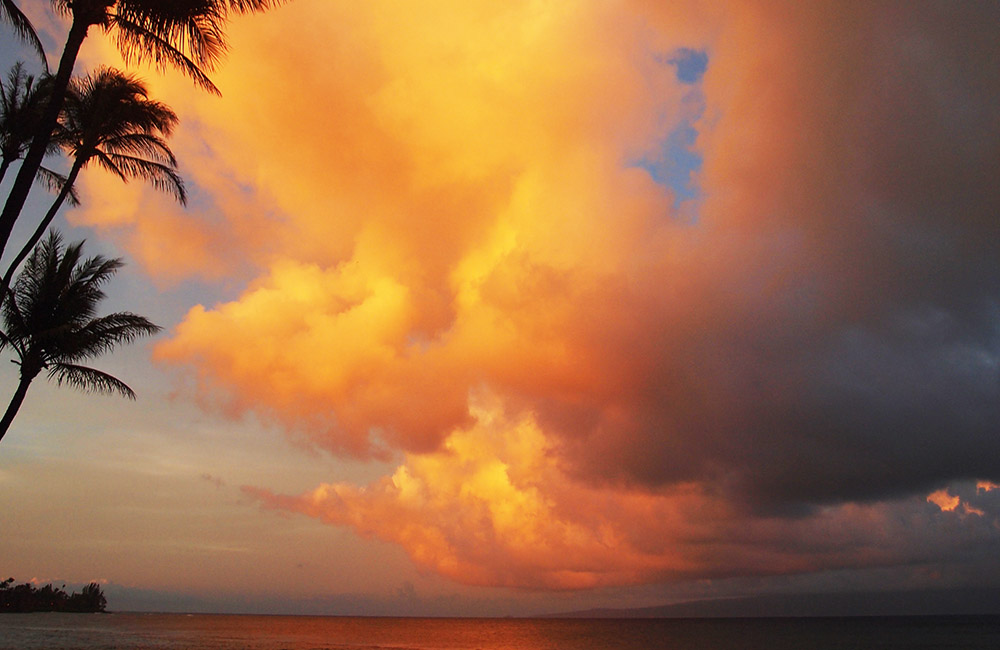
Maui’s landscape was built by two major volcanic centers, West Maui and Haleakalā, whose older lava flows now support valleys, towns and coastlines. The deeply eroded West Maui mountains contrast with the broad shape of the younger eastern volcano. Along the western shore, waves, sediment and weather have continued the work of reshaping land originally created by eruptions. The apparently simple boundary between ocean and island therefore contains a much longer geological story.
USGS studies distinguish several stages in West Maui’s volcanic development. Those differences help explain why rocks across the region are not all the same age or composition. The camera views at Honokōwai and Nāpili look out from this older side of the island, where the modern shoreline and built environment sit within a landscape formed over immense spans of time.
Nearby Lahaina was once a capital of the Hawaiian Kingdom and later became a major center of the nineteenth-century whaling trade. Hawaiian royalty, maritime commerce and missionary activity all left marks on the town. Its historic district was designated a National Historic Landmark in 1962, recognizing a collection of places whose significance extended beyond their individual buildings. West Maui’s history includes these political and economic changes alongside the much longer presence of Native Hawaiian communities.
The region’s more recent story includes the devastating Lahaina fire of 8 August 2023. That event brought profound loss and disruption to a place with deep cultural and historical importance. It belongs in the history of West Maui without defining every shoreline or community in the region. A peaceful ocean view exists beside living memories of the disaster and the continuing work of residents caring for their families, homes and heritage.
National Park Service: Lahaina Historic District · Hawaiʻi: Maui wildfire investigation resources
The waters around Maui also carry a history of changing relationships with whales. The Hawaiian Islands Humpback Whale National Marine Sanctuary was designated in 1992 to protect humpback whales and their habitat. That milestone places modern research and conservation within a wider story that includes the earlier exploitation of whale populations. The animals seen from shore are part of a migratory marine environment, not a wildlife display confined to one bay.
These different histories meet in the view: the volcanic island beneath the buildings, the Hawaiian communities connected with the coast, the legacy of Lahaina and the ocean’s ecological rhythms. Returning to a camera over time can make seasonal change more apparent, but understanding the setting requires looking beyond the image. West Maui is a place of continuity as well as change, where geological time, cultural inheritance and marine conservation give an unhurried view of the Pacific a much deeper context.
Historical background reviewed 18 November 2026.